Spring Home Maintenance Checklist 2026: 12 Tasks to Prevent $15K in Damage
Essential spring maintenance tasks that prevent costly repairs. Expert guide includes roof inspection, AC prep, gutter cleaning, and foundation care.
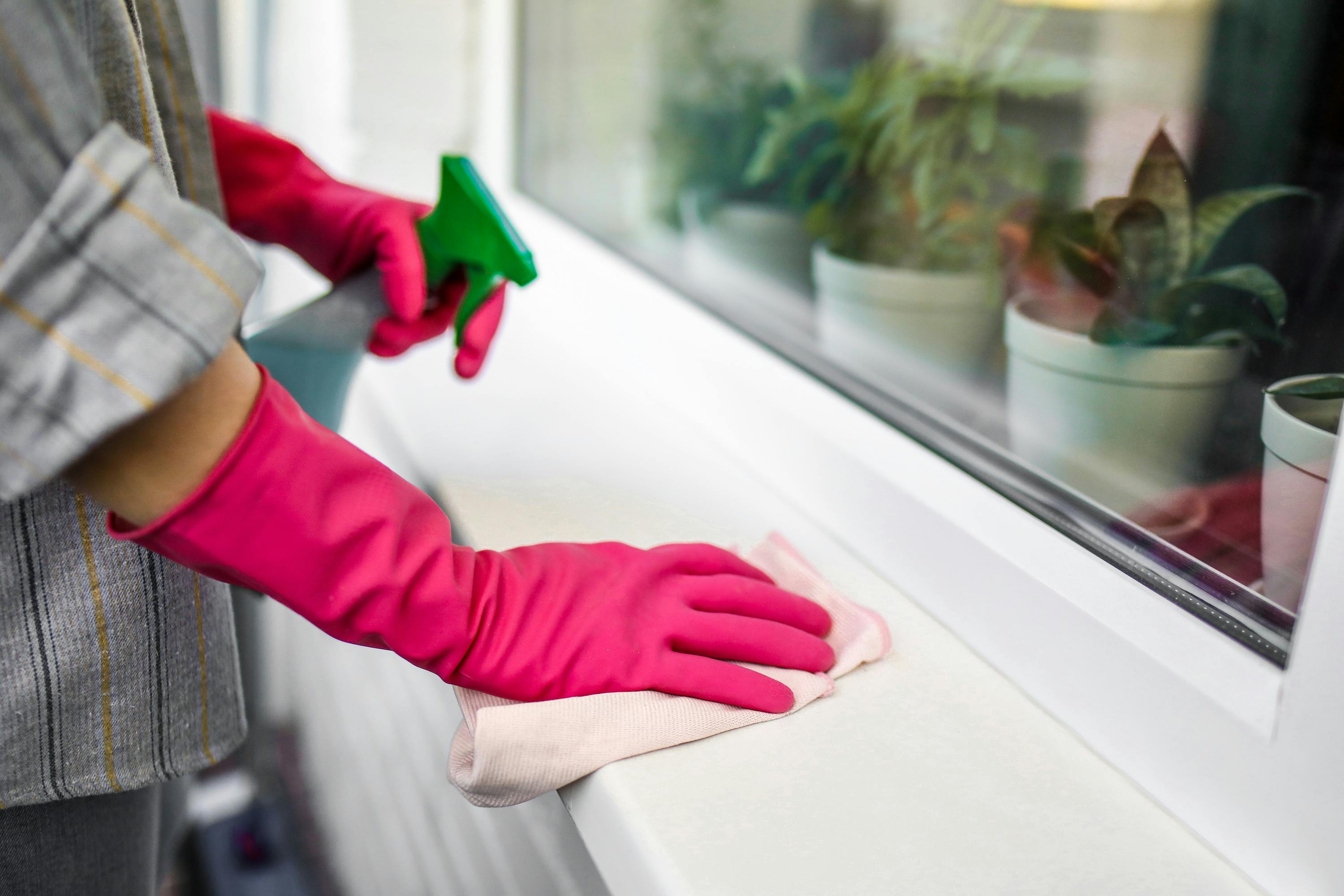
Spring Home Maintenance Checklist 2026: 12 Tasks to Prevent $15K in Damage
Last spring, a homeowner in Ohio skipped their annual gutter cleaning. "It didn't seem urgent," they told me. Three months later, water damage from clogged gutters cost them $8,200 to repair.
Spring isn't just about flowers and warm weather—it's your home's most critical maintenance season. After months of winter stress, your house needs attention. The good news? A single weekend of preventive maintenance can save you thousands in emergency repairs.
This comprehensive guide covers the 12 essential spring tasks every homeowner should complete, with exact timelines, cost breakdowns, and DIY instructions.
Why Spring Maintenance Can't Wait
Winter is brutal on homes. From freeze-thaw cycles cracking foundations to ice dams damaging roofs, your property takes a beating.
Here's what happens when you skip spring maintenance:
- Clogged gutters cause foundation damage ($3,000-15,000 to repair)
- Neglected AC units fail in July heat waves ($4,000-8,000 emergency replacement)
- Unnoticed roof damage leads to interior leaks ($5,000-12,000 in water damage)
- Poor grading around foundation creates basement flooding ($10,000-30,000 to remediate)
- Ignored deck rot causes structural failures ($8,000-15,000 to rebuild)
The solution? Complete these 12 tasks before the first heat wave hits. Most take just a few hours and minimal investment.
Task #1: Inspect Your Roof (From the Ground)
Why It Matters
Winter weather—ice, snow, wind, and freeze-thaw cycles—takes a toll on roofing materials. Missing shingles or damaged flashing are the #1 cause of interior water damage, averaging $5,000-12,000 to repair.
What to Look For
Standing safely on the ground with binoculars:
☑ Missing or damaged shingles - Look for bare spots or curled edges
☑ Damaged flashing - Check around chimneys, vents, and skylights
☑ Moss or algae growth - Indicates moisture retention
☑ Granules in gutters - Sign shingles are deteriorating
☑ Sagging areas - Could indicate structural damage
DIY or Professional?
DIY: Visual inspection from ground level
Professional: Detailed roof inspection if you spot damage
Cost:
- DIY inspection: Free (your time + binoculars)
- Professional inspection: $150-300
- Typical repair: $300-800
- Full replacement (if neglected): $8,000-20,000
Time Required: 20-30 minutes
Pro Tip: Take photos each spring for your records. This helps you spot gradual changes and provides documentation for insurance claims if needed.
Task #2: Clean Gutters and Downspouts
Why It Matters
This is THE most important spring task. Clogged gutters are responsible for 80% of foundation problems.
When gutters overflow, water pours down next to your foundation. Over time, this causes:
- Foundation cracks and settling
- Basement flooding
- Landscape erosion
- Fascia board rot
Step-by-Step Instructions
☑ Remove debris - Scoop out leaves, twigs, and sediment
☑ Flush with hose - Ensure water flows freely to downspouts
☑ Check downspout direction - Water should flow 6+ feet from foundation
☑ Inspect for damage - Look for rust, holes, or separated sections
☑ Test flow - Run water through system while checking for leaks
DIY or Professional?
DIY: If you're comfortable on a ladder and have a one or two-story home
Professional: For homes 3+ stories or steep roofs
Cost:
- DIY: Free (ladder + gloves + bucket)
- Professional cleaning: $100-250
- Gutter replacement (if damaged): $1,000-2,500
- Foundation repair (if neglected): $3,000-15,000
Time Required: 2-4 hours depending on home size
Safety Note: Never clean gutters alone. Have someone spot your ladder, and never lean too far to either side.
Task #3: Service Your Air Conditioning System
Why It Matters
78% of AC failures happen during the first heat wave of summer because systems weren't maintained. An emergency AC replacement in July costs $4,000-8,000 and often takes days to schedule.
A simple spring tune-up ensures your system runs efficiently all summer and extends its lifespan by 5-10 years.
What's Included in AC Service
Professional service includes:
☑ Clean evaporator and condenser coils - Improves efficiency by 30%
☑ Check refrigerant levels - Low levels reduce cooling capacity
☑ Inspect electrical connections - Prevents system failures
☑ Test thermostat accuracy - Ensures proper temperature control
☑ Clear condensate drain - Prevents water damage
☑ Lubricate moving parts - Reduces wear and noise
DIY Tasks You Can Do
Before calling a pro:
☑ Replace air filter - Do this monthly during summer
☑ Clear debris around outdoor unit - Remove leaves and vegetation within 2 feet
☑ Straighten bent fins - Use a fin comb from hardware store
☑ Inspect insulation - Check refrigerant lines for damaged insulation
Cost Breakdown
DIY maintenance: $20-50 (filter + fin comb)
Professional tune-up: $100-200
Avoided emergency replacement: $4,000-8,000
Annual energy savings from maintained system: $150-300
Return on Investment: Spending $150 on annual service saves $200+ per year in efficiency and prevents a $6,000 emergency replacement.
Time Required: 30 minutes DIY + 1 hour professional visit
When to Schedule: March or early April, before HVAC companies get slammed with emergency calls.
Task #4: Check Your Foundation and Grading
Why It Matters
Poor grading is the leading cause of basement water problems, costing $10,000-30,000 to remediate. The fix is simple but often overlooked.
What to Check
Walk around your home's perimeter, looking for:
☑ Proper slope - Ground should slope away from foundation (6 inches of drop over 10 feet)
☑ Cracks in foundation - Note size and location (hairline cracks are normal)
☑ Water stains - On foundation or basement walls
☑ Settlement areas - Where soil has compacted near foundation
☑ Pooling water - After rainfall, no water should collect near house
How to Fix Grading Issues
For minor issues (DIY):
- Add soil near foundation, creating proper slope
- Use topsoil or clay (not sand, which drains too quickly)
- Compact firmly to prevent future settling
- Replant grass or mulch to prevent erosion
For major issues (Professional):
- Large cracks (wider than 1/4 inch)
- Horizontal cracks
- Bowing or bulging walls
- Active water infiltration
Cost
DIY grading repair: $50-200 (soil + grass seed)
Professional grading: $500-3,000
Foundation repair (if neglected): $10,000-30,000
Basement waterproofing (if needed): $5,000-15,000
Time Required: 3-6 hours for DIY grading repair
Pro Tip: Take "before" photos of any cracks. Monitor monthly to see if they're growing, which indicates an active structural issue.
Task #5: Inspect and Clean Your Deck or Patio
Why It Matters
Decks exposed to winter weather develop rot, loose boards, and structural issues. Deck collapses cause 4,000+ injuries annually, mostly from unnoticed rot and loose connections.
Deck Inspection Checklist
☑ Check for rot - Use screwdriver to probe wood (soft spots = rot)
☑ Tighten loose boards - Walk entire deck listening for creaks
☑ Inspect railings - Push hard; should not move
☑ Check ledger board - Where deck attaches to house (critical!)
☑ Look for rust - On nails, screws, and brackets
☑ Test stairs - Most common failure point
☑ Inspect posts - Check for rot where they meet ground
Cleaning & Maintenance
Composite decks:
- Sweep debris
- Wash with mild soap and water
- Remove mold with specialized cleaner
Wood decks:
- Power wash (low pressure to avoid damage)
- Apply deck cleaner/brightener
- Let dry 48 hours
- Apply stain or sealant if needed
When to Replace vs. Repair
Repair if:
- Individual boards are damaged
- Railings are loose
- Surface needs refinishing
Replace if:
- Structural members are rotted
- Ledger board is compromised
- Multiple support posts are damaged
Cost
DIY cleaning: $30-100 (cleaner + brushes)
Power washing service: $150-300
Deck staining (DIY): $200-500
Professional restaining: $500-1,500
Deck repair: $500-3,000
Full deck replacement (if neglected): $8,000-15,000
Time Required: 4-6 hours for cleaning and basic maintenance
Task #6: Test Your Sump Pump
Why It Matters
Spring brings heavy rains, and that's when you need your sump pump most. Sump pump failures cause an average of $10,000 in basement water damage.
The worst part? Most homeowners don't know their pump failed until water is already flooding their basement.
How to Test Your Sump Pump
Quick 5-minute test:
- Pour water into sump pit - Use 5-gallon bucket
- Watch pump activate - Should turn on automatically at proper water level
- Listen for unusual noises - Grinding or clicking = problem
- Check discharge pipe - Water should exit 10+ feet from house
- Verify check valve - Prevents water from flowing back
Signs You Need a New Pump
🚨 Replace if you notice:
- Pump runs constantly or not at all
- Strange noises (grinding, rattling)
- Visible rust or corrosion
- Pump is 7+ years old
- Failed test
DIY Maintenance
☑ Clean inlet screen - Remove debris
☑ Test monthly during rainy season
☑ Check battery backup - If equipped
☑ Verify GFCI outlet - Push test button
Cost
DIY test: Free (just your time)
New sump pump: $150-400
Battery backup system: $200-500
Professional installation: $300-600
Water damage from failed pump: $5,000-15,000
Time Required: 5 minutes for test, 2 hours for DIY replacement
Pro Tip: Install a battery backup system if you don't have one. Power outages often occur during major storms—exactly when you need your sump pump most.
Task #7: Change HVAC Filters and Inspect System
Why It Matters
This is different from your professional AC tune-up. Your air filter should be changed every 1-3 months, and spring is the perfect reminder to check it.
A dirty filter causes:
- 15% higher energy bills
- Reduced air quality
- System overwork and early failure
- Poor heating and cooling performance
How to Check and Replace
Finding your filter:
- Usually at return air grits or furnace
- Note size printed on frame (e.g., 16x20x1)
When to replace:
- Monthly: If you have pets, allergies, or run system constantly
- Every 2-3 months: Average household
- Quarterly: Minimal use, no pets
Types of Filters
Fiberglass ($1-5): Basic, minimal filtration
Pleated ($5-15): Better for dust and allergens - RECOMMENDED
HEPA ($20-40): Maximum filtration for severe allergies
Washable ($20-80): Reusable but requires monthly cleaning
Cost
Filters: $5-15 each (x4 per year = $20-60 annually)
Energy savings from clean filter: $150-300 per year
Avoided HVAC repairs: $500-2,000
Time Required: 5 minutes
Pro Tip: Buy a year's supply of filters during spring sales. Store them near your HVAC system so they're always accessible.
Task #8: Inspect Windows and Doors
Why It Matters
Winter weather damages window seals and weatherstripping. Poor seals waste 25-30% of your heating and cooling energy, costing $300-600 annually in a typical home.
Inspection Checklist
☑ Check weatherstripping - Should be intact with no gaps
☑ Inspect caulking - Look for cracks or gaps around frames
☑ Test window operation - Should open and close smoothly
☑ Look for condensation - Between double panes = failed seal
☑ Check screens - Repair holes before insect season
☑ Examine door thresholds - Should create tight seal when closed
Simple Draft Test
Hold a lit incense stick near window and door edges on a windy day. Smoke should rise straight up. If it blows sideways, you have air leaks.
DIY Fixes
Weatherstripping: $5-15 per door
Caulking: $5-10 per tube (one tube does 2-3 windows)
Screen repair kit: $10-20
Steps:
- Remove old weatherstripping or caulk
- Clean surface thoroughly
- Apply new materials
- Test seal
When to Replace vs. Repair
Repair if:
- Only weatherstripping or caulk needs replacement
- Windows operate properly
- Glass is intact
Replace if:
- Double-pane seals are broken (condensation between panes)
- Frames are rotted or warped
- Windows won't stay open
- Energy costs are very high despite sealing efforts
Cost
DIY sealing: $30-100 for whole house
Professional weatherization: $300-800
Energy savings: $300-600 per year
Window replacement (if needed): $400-1,000 per window
Time Required: 3-5 hours for entire home
Payback Period: DIY sealing pays for itself in 1-2 months of energy savings!
Task #9: Flush Your Water Heater
Why It Matters
Sediment builds up in your water heater tank over time, especially in hard water areas. This sediment:
- Reduces heating efficiency (15-20% higher bills)
- Causes noise and rumbling
- Corrodes the tank
- Shortens lifespan by 3-5 years
A $15,000 emergency water heater replacement (including water damage) can be prevented with annual 15-minute maintenance.
How to Flush Your Water Heater
Step-by-step:
- Turn off power/gas - Use breaker switch or gas valve
- Let water cool - Wait 2-3 hours or turn off the night before
- Attach hose to drain valve - Run to floor drain or outside
- Open drain valve - Let 2-3 gallons flow out
- Check water clarity - Cloudy = more sediment to flush
- Close valve and refill - Turn water supply back on
- Purge air - Run hot water at a faucet until steady flow
- Turn power/gas back on
Signs You Need Professional Help
🚨 Call a plumber if:
- Drain valve won't close (common if never opened)
- Water is very rusty
- Tank is making loud popping/banging noises
- Water heater is 10+ years old with no maintenance history
- You see water leaking from tank
Cost
DIY flushing: Free (just your time)
Professional flushing: $100-150
Extended tank life: 3-5 additional years
Avoided water damage: $2,000-5,000
New tank cost (if neglected): $800-1,500
Time Required: 15-30 minutes
Pro Tip: If your drain valve is stuck or won't seal after opening, call a plumber immediately. Don't force it or you'll cause a leak.
Task #10: Check Your Sprinkler System
Why It Matters
Freezing and ground movement during winter can crack pipes and damage sprinkler heads. Undetected leaks waste 6,000+ gallons of water per year, costing $100-300 in water bills plus potential lawn damage.
Spring Sprinkler Startup Checklist
☑ Visual inspection - Walk entire system looking for damage
☑ Turn on slowly - Gradually open main valve to avoid pressure surge
☑ Test each zone - Run full cycle and observe
☑ Check sprinkler heads - Should pop up fully and spray correctly
☑ Look for leaks - At valves, pipes, and connections
☑ Adjust spray patterns - Should water lawn, not sidewalk/house
☑ Clear clogged nozzles - Remove and clean debris
Common Spring Issues
Broken sprinkler heads:
- Usually from lawn mowers or freezing
- Cost: $3-8 each (DIY) or $50-100 per head (professional)
Cracked pipes:
- From freeze-thaw cycles
- Cost: $150-500 per line repair
Valve problems:
- Won't turn on/off or leaks
- Cost: $100-200 per valve
DIY vs. Professional
DIY:
- Replacing sprinkler heads
- Adjusting spray patterns
- Basic visual inspection
- Cleaning nozzles
Professional:
- Underground pipe repairs
- Controller/timer replacement
- System redesign
- Valve replacement
Cost
DIY startup check: Free
Replace sprinkler head: $3-8 (DIY) or $50-100 (pro)
Professional system check: $75-150
Wasted water from leaks: $100-300 per year
Major system repair (if neglected): $500-2,000
Time Required: 1-2 hours for full system check
Water Savings Tip: Install a smart sprinkler controller ($100-250) that adjusts watering based on weather. Saves 30-50% on water bills.
Task #11: Service Your Garage Door
Why It Matters
Garage doors are the largest moving object in your home. Injured by garage doors send 20,000+ people to emergency rooms annually, mostly from broken springs and failed auto-reverse features.
Beyond safety, maintenance extends the life of your $1,000-3,000 garage door system.
Safety & Function Checks
☑ Test auto-reverse - Place object under door; should reverse immediately
☑ Check photo-eye sensors - Should stop door if beam is blocked
☑ Listen for unusual noises - Grinding, squeaking, or rattling
☑ Inspect springs - Look for rust, gaps, or damage (DON'T TOUCH)
☑ Check door balance - Disconnect opener, lift manually (should stay at 3-4 feet)
☑ Test manual release - Red handle should disconnect opener in emergency
DIY Maintenance Tasks
☑ Lubricate moving parts - Use garage door lubricant (not WD-40)
- Hinges
- Rollers
- Springs (spray only, don't touch)
- Tracks
☑ Tighten hardware - Check all nuts and bolts
☑ Clean tracks - Remove debris with damp cloth
☑ Inspect weatherstripping - Replace if cracked ($15-30)
When to Call a Professional
🚨 NEVER attempt to repair:
- Torsion springs (under extreme tension - can kill)
- Cables
- Bottom brackets
Call a pro for:
- Broken springs ($150-300 to replace)
- Door off track
- Opener not working
- Loud grinding noises
- Door unbalanced after test
Cost
DIY maintenance: $15-30 (lubricant + weatherstripping)
Professional tune-up: $100-150
Spring replacement: $150-300 (professional only)
New opener: $300-600 installed
New door (if neglected): $1,000-3,000
Time Required: 30-45 minutes for DIY maintenance
Pro Tip: Garage door springs typically last 7-10 years or 10,000 cycles. If your springs are original and the door is 7+ years old, have a professional inspect them even if they look fine.
Task #12: Refresh Mulch and Check Landscaping Drainage
Why It Matters
This task ties everything together. Poor landscaping drainage sends water toward your foundation, undoing all your other preventive work.
Plus, fresh mulch prevents weeds, retains moisture, and makes your home look well-maintained (important for property value).
Landscaping Drainage Check
☑ Walk property after rain - Note where water flows and collects
☑ Check around foundation - No water should pool within 10 feet
☑ Inspect downspout extensions - Water should flow away from house
☑ Look for erosion - Bare spots where water has washed away soil
☑ Check slope of beds - Should angle away from house
☑ Clear storm drains - Remove debris from grates
Mulch Application
Why mulch matters:
- Prevents weeds (saves 10+ hours of pulling per season)
- Retains soil moisture (reduces watering by 25%)
- Regulates soil temperature
- Prevents erosion
- Looks great
How to apply:
- Remove old, decomposed mulch (if compacted)
- Edge beds - Create clean lines
- Add 2-3 inches of fresh mulch
- Keep 6 inches away from foundation - Prevents moisture/termites
- Don't pile around tree trunks - Causes rot (create donut, not volcano)
Mulch Options
Hardwood mulch ($30-40/yard): Most popular, lasts 1-2 years
Cedar mulch ($40-60/yard): Natural insect repellent, lasts 2-3 years
Pine straw ($5/bale): Good for acid-loving plants
Rock/gravel ($50-150/yard): Permanent, no replacement needed
Coverage: 1 cubic yard covers 100 sq ft at 3 inches deep
Cost
DIY mulching:
- Small yard (5 yards): $150-200 in materials
- Medium yard (10 yards): $300-400 in materials
- Large yard (20 yards): $600-800 in materials
Professional landscaping:
- Cleanup + mulching: $500-2,000 depending on size
Weed prevention savings: 10+ hours of labor per season
Water savings: 25% reduction in irrigation costs
Foundation protection: Priceless
Time Required: 4-8 hours depending on property size
Pro Tip: Buy mulch in bulk (by the cubic yard) instead of bags. It's 50-60% cheaper. Many suppliers will deliver and dump where you want it for $50-75.
Your Spring Maintenance Action Plan
Spread these tasks over 2-3 weekends:
Weekend 1: Essential Safety & System Checks
- ☑ Task #1: Roof inspection (30 min)
- ☑ Task #2: Clean gutters (3 hours)
- ☑ Task #3: Schedule AC service (call today)
- ☑ Task #6: Test sump pump (15 min)
- ☑ Task #7: Change HVAC filter (5 min)
- ☑ Task #11: Garage door maintenance (45 min)
Total time: ~5 hours of actual work
Weekend 2: Exterior & Structure
- ☑ Task #4: Check foundation & grading (2 hours)
- ☑ Task #5: Inspect & clean deck (5 hours)
- ☑ Task #8: Seal windows & doors (4 hours)
Total time: ~10-11 hours (full weekend project)
Weekend 3: Final Systems & Curb Appeal
- ☑ Task #9: Flush water heater (30 min)
- ☑ Task #10: Check sprinkler system (2 hours)
- ☑ Task #12: Mulch & drainage check (6 hours)
Total time: ~8-9 hours
Total Investment
Time: 23-25 hours spread over 3 weekends
Cost: $400-900 (mostly professional AC service and mulch)
Savings: $15,000-50,000 in prevented damages
ROI: 1,700-12,500%
What If You Can't Do It All?
Prioritize these non-negotiable tasks:
- Clean gutters → Prevents $3K-15K foundation damage
- Service AC → Prevents $4K-8K emergency replacement
- Roof inspection → Prevents $5K-12K water damage
- Test sump pump → Prevents $10K basement flooding
These four tasks take ~5 hours and cost $100-300, but prevent $22,000-45,000 in worst-case damages.
Consider hiring help for:
- Gutter cleaning (if you're uncomfortable on ladders)
- AC service (requires professional equipment)
- Deck inspection (if you suspect structural issues)
Never Forget Another Task
Let's be honest: remembering all twelve of these tasks every spring is hard. Life gets busy. Tasks slip through the cracks. That's exactly why we built Upkeepify.
What if every task had its own reminder?
- ✅ Custom schedules based on YOUR home and climate
- ✅ Automated reminders sent when tasks are due
- ✅ Track what's done and what's pending
- ✅ Store warranty info, receipts, and service records
- ✅ Never wonder "When did I last...?" again
Try Upkeepify free for 30 days. No credit card required. Just organized, stress-free home maintenance.
Final Thoughts
Spring maintenance isn't glamorous. It's not fun to spend your weekend on a ladder cleaning gutters or crawling around your deck looking for rot.
But here's the truth: That $800 investment of time and money this spring saves you $15,000-50,000 in emergency repairs over the next few years.
More importantly, it gives you peace of mind. No more wondering if your AC will fail during the first heat wave. No more worrying about water in your basement after heavy rain.
Your spring maintenance checklist starts now. Pick a Saturday, grab your tools, and start with Task #1. Three weekends from now, you'll have a well-maintained home ready for anything spring and summer throw at it.
Which task are you tackling first? Let us know in the comments, and share your own spring maintenance tips!
Frequently Asked Questions
Q: Can I do all 12 tasks in one weekend?
A: Technically yes, but you'll be exhausted. Spread it over 2-3 weekends for better quality work and to avoid burnout.
Q: Which tasks absolutely require a professional?
A: AC service, garage door spring repair, and any electrical or structural issues should be handled by licensed professionals.
Q: What if I find major damage during inspection?
A: Document with photos, get 2-3 quotes from licensed contractors, and prioritize water-related issues (roof, foundation, drainage) over cosmetic repairs.
Q: How much should I budget annually for home maintenance?
A: The general rule is 1-3% of your home's value. For a $300,000 home, that's $3,000-9,000 per year including both routine maintenance and unexpected repairs.
Q: I'm a first-time homeowner. Where do I start?
A: Start with the four non-negotiable tasks listed above (gutters, AC, roof, sump pump). Once those are done, tackle the others one weekend at a time.
Q: What tools do I need for most of these tasks?
A: Ladder, screwdriver set, adjustable wrench, flashlight, garden hose, work gloves, and safety glasses cover 90% of DIY home maintenance.
Q: Is spring maintenance the same in all climates?
A: Core tasks are similar, but timing and priorities vary. Warm climates focus more on AC and irrigation, while cold climates prioritize post-winter damage inspection and freeze protection removal.
Never Forget Home Maintenance Again
Get automated reminders for all your home maintenance tasks. Try Upkeepify free for 30 days - no credit card required.